 Free Classified Ads
Buy.
Free Classified Ads
Buy.Sell.
Near You. Post an ad or find a deal. Start Now →
Ad in: Bangalore, India - Heavy Equipment
How Integrated Fire Protection Systems Improve Building Safety - Price: Rs. 0
Ad # 975880
Contact
sanjayCity
Bangalore, IndiaZip
560001 (map)Created
February 3, 2026Expires
February 3, 2027Viewed
70Modern buildings face complex fire risks due to increased electrical usage, advanced machinery, and high occupancy levels. Relying on a single fire safety solution is no longer sufficient to ensure complete protection. This has led to the growing adoption of integrated fire protection systems—a comprehensive approach that combines multiple safety components into one coordinated network.
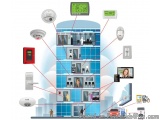
Integrated fire protection systems connect fire alarms, detection devices, suppression equipment, emergency lighting, and monitoring systems to work together seamlessly. This unified structure enhances response speed, minimizes damage, and significantly improves overall building safety.
Understanding Integrated Fire Protection Systems
An integrated fire protection system brings together various fire safety technologies under a centralized control platform. Instead of functioning independently, each component communicates with the others to deliver faster and more accurate emergency responses.
Common elements of an integrated system include:
Fire alarm and detection systems
Automatic sprinkler and suppression systems
Smoke control and ventilation systems
Emergency lighting and exit signage
Central monitoring and control panels
This interconnected setup ensures that when a fire is detected, all safety mechanisms activate simultaneously.
Why Integrated Systems Are Becoming Essential
Traditional standalone fire safety equipment often operates in isolation, which can slow down emergency response. Integrated systems eliminate these delays by triggering multiple protective actions at once.
Key advantages include:
Faster fire detection and alarm activation
Automatic fire suppression response
Efficient evacuation guidance
Reduced system errors and false alarms
Centralized monitoring and control
This coordinated approach greatly enhances building safety and emergency preparedness.
The Role of Professional Fire Safety Providers
Designing and maintaining integrated fire protection systems requires specialized expertise and industry knowledge. In the middle of many advanced fire safety projects, organizations rely on trusted professionals like I Focus Solutions to implement and manage comprehensive fire protection solutions.
Their experienced teams assess building layouts, identify risk zones, and integrate suitable fire safety technologies to create reliable protection systems. With professional guidance, buildings benefit from optimized system performance and compliance with safety standards.
To maintain these systems efficiently, many businesses also invest in a structured fire alarm system amc
, ensuring regular inspections, preventive maintenance, and quick fault resolution for uninterrupted safety.
Key Benefits of Integrated Fire Protection Systems
Organizations that adopt integrated solutions experience long-term safety and operational advantages:
Improved emergency response coordination
Reduced fire damage and losses
Enhanced compliance with regulations
Better system reliability
Increased occupant confidence
An integrated approach ensures every safety component functions as part of a complete protection strategy.
Common Challenges Solved Through Integration
Integrated fire systems help overcome issues such as:
Delayed emergency alerts
Malfunctioning standalone equipment
Lack of centralized monitoring
Inefficient evacuation processes
Complex maintenance management
By connecting all systems, building managers gain full visibility and control over fire safety operations.
Industries Benefiting From Integrated Fire Protection
Integrated systems are widely adopted across various sectors, including:
Commercial Buildings
Office complexes and malls benefit from centralized monitoring and fast evacuation coordination.
Industrial Facilities
Factories use integrated systems to manage heat detection, suppression, and ventilation simultaneously.
Residential Complexes
High-rise apartments rely on automated alarms and sprinklers for enhanced safety.
Healthcare Institutions
Hospitals require continuous monitoring and rapid response to protect patients and equipment.
Educational Campuses
Schools and universities use integrated alerts for quick communication during emergencies.
Best Practices for Implementing Integrated Fire Systems
For maximum effectiveness, organizations should:
Conduct professional fire risk assessments
Choose certified fire safety equipment
Integrate systems through centralized platforms
Schedule regular system testing
Maintain detailed service records
Proper planning ensures long-term system reliability.
The Importance of Regular Maintenance
Even the most advanced integrated systems require consistent servicing to remain effective. Routine inspections help detect issues early and ensure all components function together properly.
Maintenance activities typically include:
Testing alarms and detectors
Inspecting suppression equipment
Verifying control panel operations
Checking power backups
Updating system software
Regular upkeep prevents system failures and maintains compliance.
Future Trends in Integrated Fire Protection
Fire safety technology continues to evolve with innovations such as:
Smart sensors with real-time alerts
AI-based fire risk prediction
Remote system monitoring
Automated emergency coordination
These advancements further enhance the effectiveness of integrated fire protection systems.
Conclusion
Integrated fire protection systems offer a comprehensive and efficient approach to building safety. By combining detection, suppression, monitoring, and evacuation tools into one coordinated network, these systems provide faster responses and greater reliability than traditional standalone solutions.
Organizations that partner with professional fire safety providers and maintain their systems regularly can significantly reduce fire risks and improve emergency preparedness. An integrated fire protection strategy not only safeguards lives and property but also supports long-term operational stability.
For the more information: https://ifsind.com/
Your message has been sent
Integrated fire protection systems connect fire alarms, detection devices, suppression equipment, emergency lighting, and monitoring systems to work together seamlessly. This unified structure enhances response speed, minimizes damage, and significantly improves overall building safety.
Understanding Integrated Fire Protection Systems
An integrated fire protection system brings together various fire safety technologies under a centralized control platform. Instead of functioning independently, each component communicates with the others to deliver faster and more accurate emergency responses.
Common elements of an integrated system include:
Fire alarm and detection systems
Automatic sprinkler and suppression systems
Smoke control and ventilation systems
Emergency lighting and exit signage
Central monitoring and control panels
This interconnected setup ensures that when a fire is detected, all safety mechanisms activate simultaneously.
Why Integrated Systems Are Becoming Essential
Traditional standalone fire safety equipment often operates in isolation, which can slow down emergency response. Integrated systems eliminate these delays by triggering multiple protective actions at once.
Key advantages include:
Faster fire detection and alarm activation
Automatic fire suppression response
Efficient evacuation guidance
Reduced system errors and false alarms
Centralized monitoring and control
This coordinated approach greatly enhances building safety and emergency preparedness.
The Role of Professional Fire Safety Providers
Designing and maintaining integrated fire protection systems requires specialized expertise and industry knowledge. In the middle of many advanced fire safety projects, organizations rely on trusted professionals like I Focus Solutions to implement and manage comprehensive fire protection solutions.
Their experienced teams assess building layouts, identify risk zones, and integrate suitable fire safety technologies to create reliable protection systems. With professional guidance, buildings benefit from optimized system performance and compliance with safety standards.
To maintain these systems efficiently, many businesses also invest in a structured fire alarm system amc
, ensuring regular inspections, preventive maintenance, and quick fault resolution for uninterrupted safety.
Key Benefits of Integrated Fire Protection Systems
Organizations that adopt integrated solutions experience long-term safety and operational advantages:
Improved emergency response coordination
Reduced fire damage and losses
Enhanced compliance with regulations
Better system reliability
Increased occupant confidence
An integrated approach ensures every safety component functions as part of a complete protection strategy.
Common Challenges Solved Through Integration
Integrated fire systems help overcome issues such as:
Delayed emergency alerts
Malfunctioning standalone equipment
Lack of centralized monitoring
Inefficient evacuation processes
Complex maintenance management
By connecting all systems, building managers gain full visibility and control over fire safety operations.
Industries Benefiting From Integrated Fire Protection
Integrated systems are widely adopted across various sectors, including:
Commercial Buildings
Office complexes and malls benefit from centralized monitoring and fast evacuation coordination.
Industrial Facilities
Factories use integrated systems to manage heat detection, suppression, and ventilation simultaneously.
Residential Complexes
High-rise apartments rely on automated alarms and sprinklers for enhanced safety.
Healthcare Institutions
Hospitals require continuous monitoring and rapid response to protect patients and equipment.
Educational Campuses
Schools and universities use integrated alerts for quick communication during emergencies.
Best Practices for Implementing Integrated Fire Systems
For maximum effectiveness, organizations should:
Conduct professional fire risk assessments
Choose certified fire safety equipment
Integrate systems through centralized platforms
Schedule regular system testing
Maintain detailed service records
Proper planning ensures long-term system reliability.
The Importance of Regular Maintenance
Even the most advanced integrated systems require consistent servicing to remain effective. Routine inspections help detect issues early and ensure all components function together properly.
Maintenance activities typically include:
Testing alarms and detectors
Inspecting suppression equipment
Verifying control panel operations
Checking power backups
Updating system software
Regular upkeep prevents system failures and maintains compliance.
Future Trends in Integrated Fire Protection
Fire safety technology continues to evolve with innovations such as:
Smart sensors with real-time alerts
AI-based fire risk prediction
Remote system monitoring
Automated emergency coordination
These advancements further enhance the effectiveness of integrated fire protection systems.
Conclusion
Integrated fire protection systems offer a comprehensive and efficient approach to building safety. By combining detection, suppression, monitoring, and evacuation tools into one coordinated network, these systems provide faster responses and greater reliability than traditional standalone solutions.
Organizations that partner with professional fire safety providers and maintain their systems regularly can significantly reduce fire risks and improve emergency preparedness. An integrated fire protection strategy not only safeguards lives and property but also supports long-term operational stability.
For the more information: https://ifsind.com/
Other ads by this user:
How Career Guidance Programs Shape Student Futures (Bangalore, )
Training & Education Services
)
Training & Education Services
Driving Academic Growth Through Career-oriented Programs (Bangalore,)
Training & Education Services
How Modern Women Are Redefining Everyday Ethnic Wear Choices (Bangalore,)
Clothing & Apparel
The Impact Of Commercial Real Estate On Bangalore’s Economic Growth (Bangalore,)
Commercial Real Estate
Key Benefits Of Upvc In Modern Construction (Bangalore,)
Farm & Ranch
Cultural Storytelling Through Indian Textiles (Bangalore,)
Clothing & Apparel
Advantage Of Accessibility: How Akash International School Benefits From A Prime Bangalore Location (Bangalore,)
Training & Education Services
Infrastructure And Industrial Growth: Shaping Real Estate Opportunities (Bangalore,)
Land For Sale
Witness The Magnificence Of Purpose-built Villa Living (Bangalore,)
Homes For Sale
Flats For Sale In Sarjapur Road: Urban Benefits Redefining Smart City Living (Bangalore,)
Homes For Sale
How Career Guidance Programs Shape Student Futures (Bangalore,
)
Training & Education ServicesDriving Academic Growth Through Career-oriented Programs (Bangalore,
)
Training & Education ServicesHow Modern Women Are Redefining Everyday Ethnic Wear Choices (Bangalore,
)
Clothing & ApparelThe Impact Of Commercial Real Estate On Bangalore’s Economic Growth (Bangalore,
)
Commercial Real EstateKey Benefits Of Upvc In Modern Construction (Bangalore,
)
Farm & RanchCultural Storytelling Through Indian Textiles (Bangalore,
)
Clothing & ApparelAdvantage Of Accessibility: How Akash International School Benefits From A Prime Bangalore Location (Bangalore,
)
Training & Education ServicesInfrastructure And Industrial Growth: Shaping Real Estate Opportunities (Bangalore,
)
Land For SaleWitness The Magnificence Of Purpose-built Villa Living (Bangalore,
)
Homes For SaleFlats For Sale In Sarjapur Road: Urban Benefits Redefining Smart City Living (Bangalore,
)
Homes For Sale